








Law Society Excellence Awards Winner!

Removing Items from the Marital Home in the UK

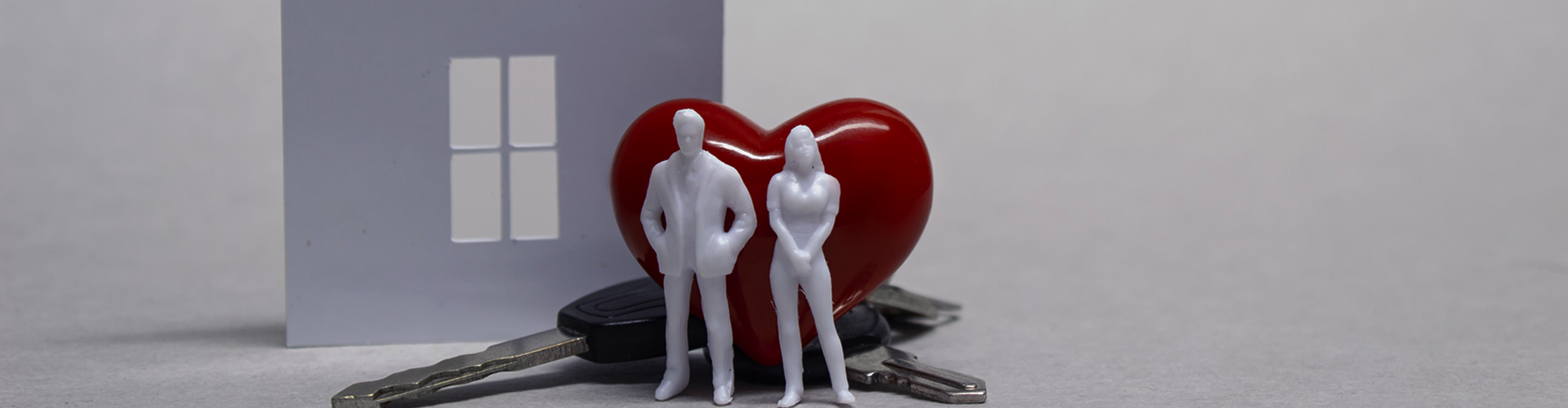
Separating from a spouse is one of the most emotionally and practically challenging experiences a person can face. Alongside concerns about children and finances, disputes often arise about removing items from the marital home in the UK. Whether you are considering taking personal belongings, furniture, vehicles or accessing joint funds, it is essential to understand your legal position before taking action.

At Nayyar’s Solicitors, our experienced family law team regularly advises clients on matrimonial assets, property rights, and financial settlements. In this guide, we explain what you can and cannot remove from the marital home — and how to protect yourself legally.

Key Takeaways

  • Do not remove significant items without agreement or legal advice.
  • Most items acquired during the marriage are likely to be considered matrimonial assets, regardless of who paid for them.
  • Reaching a written agreement is always preferable to unilateral action.
  • In disputed situations, a court order may be required to protect or recover assets.
  • Early legal advice can prevent costly mistakes and protect your financial position.

Understanding the Marital Home and Matrimonial Assets

In UK family law, the marital (or matrimonial) home holds special legal significance. It is often the most valuable asset within the marriage and typically forms part of the matrimonial pot to be divided upon divorce.

Matrimonial assets usually include property, savings, pensions, investments, vehicles, and household contents acquired during the marriage. Even if an asset is in one spouse’s sole name, it may still be subject to division by the court.

The Legal Position on Removing Items

As a general rule, neither spouse should dispose of, hide, transfer or significantly diminish matrimonial assets once separation is being considered or divorce proceedings are underway.

Courts take a dim view of any attempt to ‘dissipate’ assets. This includes removing valuable items from the home without agreement.

Potential Consequences of Removing Items Without Agreement

  1. Court injunctions ordering the return of items or preventing further disposal.
  2. Adverse findings that impact the final financial settlement.
  3. An order to account for the value of missing assets.
  4. Increased legal costs and prolonged litigation.

Best Practice: What Should You Do Instead?

  • Seek legal advice before removing any high value or disputed item.
  • Create a written inventory of household contents, ideally supported by photographs or video evidence.
  • Attempt to agree division of contents in writing, even if only on an interim basis.
  • Consider mediation if communication has broken down.
  • If necessary, apply to court for an order regulating occupation or preservation of assets.

Why Contact Nayyar’s Solicitors?

At Nayyar’s Solicitors, we understand that separation is not just a legal process, it is a deeply personal and often stressful transition.

Our family law team offers:

• Clear, practical legal advice tailored to your circumstances
• Strategic guidance to protect matrimonial assets
• Skilled negotiation to secure fair settlements
• Strong court representation where necessary
• Transparent communication and client-focused support

We prioritise early intervention to prevent disputes escalating and to safeguard your financial future.

Frequently Asked Questions

Can I take my personal belongings when I leave?
Generally yes, clothing, personal documents, and clearly personal items are unlikely to be disputed. However, if there is any uncertainty, seek advice first.

What if my spouse removes items without my consent?
You should document what has been taken and seek immediate legal advice. The court can order the return of items or adjust the financial settlement accordingly.

Can I withdraw money from a joint account?
Removing substantial funds without agreement can lead to serious consequences. Always obtain legal advice before accessing joint finances.

Can I change the locks?
If you are legally entitled to occupy the property, you may have the right to change the locks. However, doing so without notice can escalate matters and may require court intervention.

Conclusion

Removing items from the marital home in the UK is not simply a practical decision, it carries legal consequences that can affect your financial settlement. Before taking any action, obtain professional advice. With the right guidance, you can protect your interests while avoiding unnecessary conflict.

If you are facing separation or divorce, contact Nayyar’s Solicitors today to speak with a member of our experienced family law team.


All Locations